
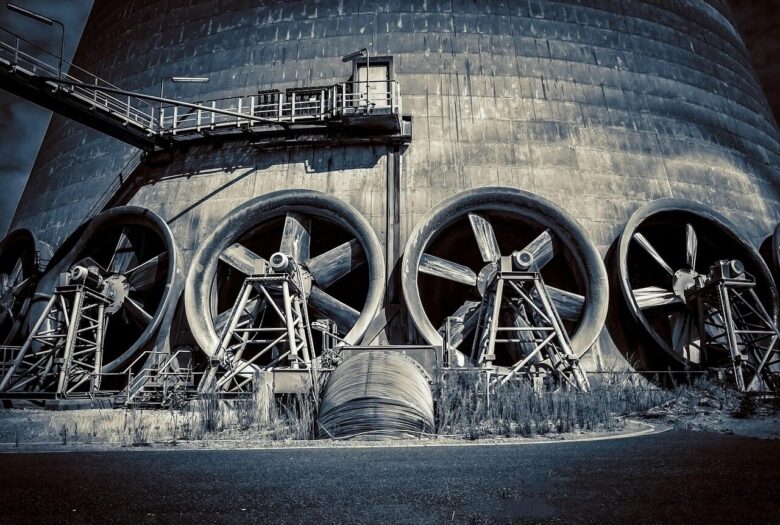
Compliance gaps in industrial ventilation often stem from outdated airflow data, poor capture design, or weak monitoring. Targeted audits align controls with OSHA, EPA, and ISO air-quality duties.
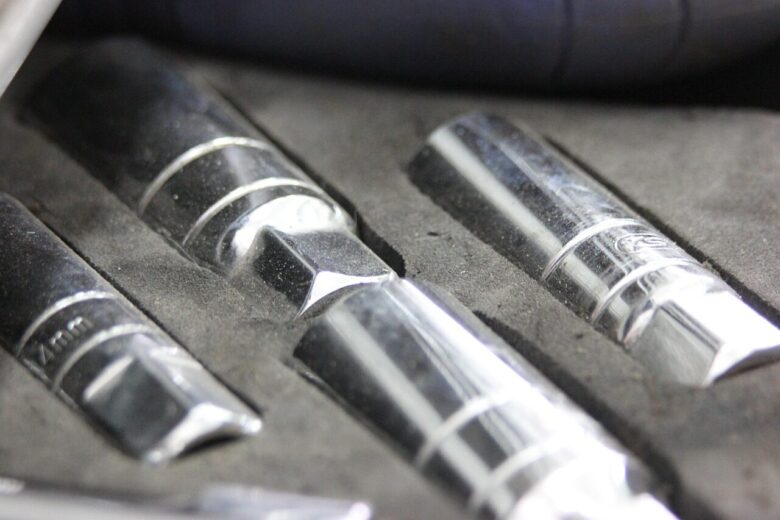
Calibrate torque wrenches with traceable loads, checking accuracy across the working range to protect preload integrity in high-tension aerospace assemblies.
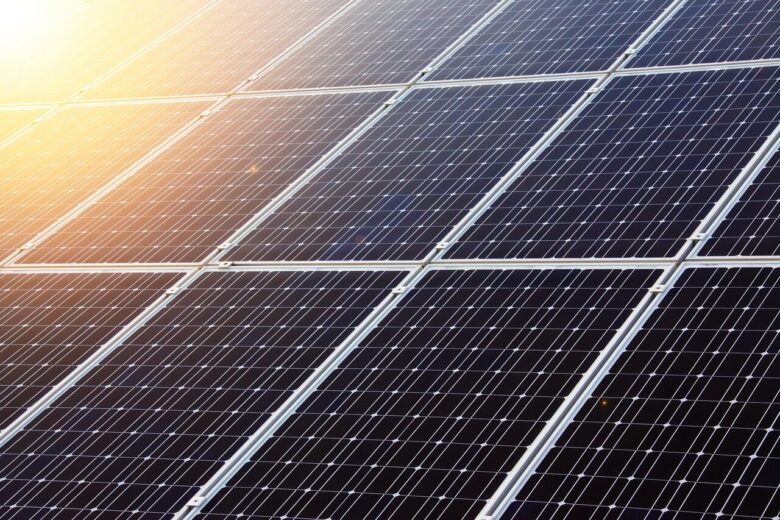
Thermal imaging should be performed under normal load, with panels safely opened, emissivity set, and findings benchmarked against similar phases to flag abnormal heat rise.
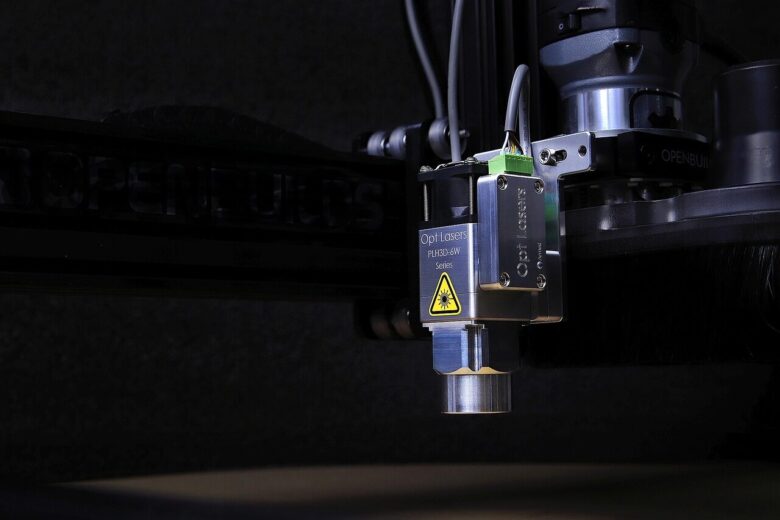
Maintain accuracy: clean optics after use, verify calibration before critical pipe runs, store tools in padded dry cases, and document checks to spot drift early.
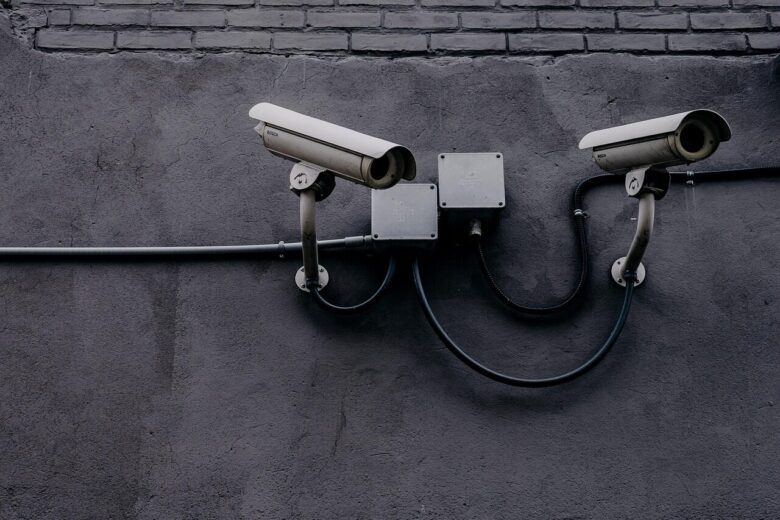
Implement fall protection by assessing hazards, selecting rated anchors and lifelines, fitting harnesses correctly, training crews, and inspecting gear before every high-altitude task.

High-voltage PPE should combine ASTM-rated rubber insulation, arc-rated FR fabrics, dielectric footwear, and face shields to reduce shock, arc flash, and burn risks.

Build a compliant LOTO procedure by identifying energy sources, defining isolation steps, verifying zero energy, applying tags/locks, and training authorized employees before maintenance begins.
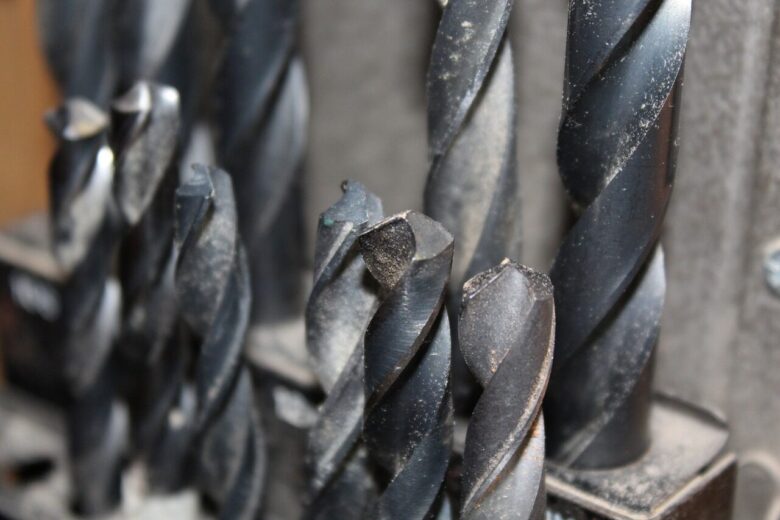
Drill teams should simulate containment, evacuation, PPE use, notifications, and decontamination, then document response times and corrective actions.

Reduce sensor noise by verifying grounding, shielding cables, tightening mounts, separating power and signal runs, and applying calibrated filtering without masking fault signatures.
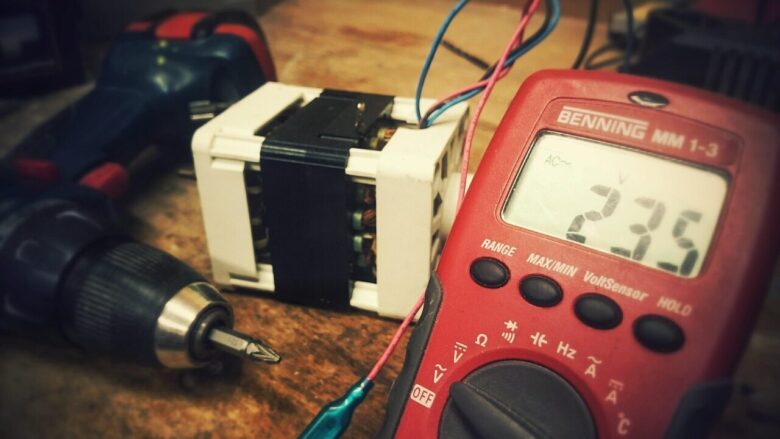
Start with zeroing: clean the anvils, check battery voltage, verify against gauge blocks at several points, log drift, then recalibrate or service if errors repeat.